china care medical for medical and lab equipment basic knowledge Blog
this is china care medical Blog, it includes some medical and lab equipment basic knowledge and suggestions to buy medical and lab equipment from China, it will be useful for you to save money and save time to buy from China
Haemodialysis Machine – Vital Technology for Renal Replacement Therapy
By China Care Medical | 23 July 2025 | 0 Comments
What Is a Haemodialysis Machine?
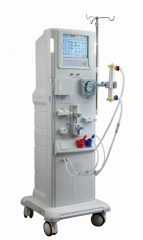
A haemodialysis machine is a life-sustaining medical device designed to filter waste, excess fluids, and toxins from the blood of patients with kidney failure. It performs the function of the kidneys by removing urea, creatinine, and excess electrolytes from the bloodstream.
How It Works
Blood Extraction: The machine draws blood from the patient’s body via a vascular access point.
Filtration: The blood passes through a dialyzer (artificial kidney), where a semi-permeable membrane removes waste and fluid.
Fluid & Electrolyte Balance: The dialysate solution restores healthy levels of sodium, potassium, and other minerals.
Blood Return: The cleaned blood is returned to the patient’s circulation.
Key Features
Precision Control Systems for flow rate, temperature, and ultrafiltration
Real-time Monitoring of blood pressure, conductivity, and fluid removal
Touchscreen Interface with customizable treatment settings
Safety Alarms for leaks, pressure changes, or patient disconnection
Data Recording for treatment history and cloud connectivity
Portable Models for home dialysis patients
Applications
Chronic kidney disease (CKD)
End-stage renal disease (ESRD)
Temporary acute kidney injury
ICU dialysis support
Conclusion
A haemodialysis machine is a cornerstone of renal replacement therapy. Its accuracy, safety features, and adaptability make it essential in nephrology departments, dialysis centers, and even home care environments.
A haemodialysis machine is a life-sustaining medical device designed to filter waste, excess fluids, and toxins from the blood of patients with kidney failure. It performs the function of the kidneys by removing urea, creatinine, and excess electrolytes from the bloodstream.
How It Works
Blood Extraction: The machine draws blood from the patient’s body via a vascular access point.
Filtration: The blood passes through a dialyzer (artificial kidney), where a semi-permeable membrane removes waste and fluid.
Fluid & Electrolyte Balance: The dialysate solution restores healthy levels of sodium, potassium, and other minerals.
Blood Return: The cleaned blood is returned to the patient’s circulation.
Key Features
Precision Control Systems for flow rate, temperature, and ultrafiltration
Real-time Monitoring of blood pressure, conductivity, and fluid removal
Touchscreen Interface with customizable treatment settings
Safety Alarms for leaks, pressure changes, or patient disconnection
Data Recording for treatment history and cloud connectivity
Portable Models for home dialysis patients
Applications
Chronic kidney disease (CKD)
End-stage renal disease (ESRD)
Temporary acute kidney injury
ICU dialysis support
Conclusion
A haemodialysis machine is a cornerstone of renal replacement therapy. Its accuracy, safety features, and adaptability make it essential in nephrology departments, dialysis centers, and even home care environments.
Popular blog
Archives
Categories
- • China Care Medical Service
- • Customers Hospital Show
- • Xray Machine
- • ChinaCare Shop
- • Ultrasound Scanner
- • chemistry analyzer
- • Anaesthesia Machine
- • operating room
- • Centrifuge
- • cell counter Hematology cbc Analyzer
- • Covid19 Test Material
- • Automated Tablet Pill Counter Pharmacy Counting Machine
- • Haemodialysis Machine Equipment
- • product
- • info