china care medical for medical and lab equipment basic knowledge Blog
this is china care medical Blog, it includes some medical and lab equipment basic knowledge and suggestions to buy medical and lab equipment from China, it will be useful for you to save money and save time to buy from China
Types of Dialysis Machines – A Comprehensive 2025 Guide
By China Care Medical | 28 July 2025 | 0 Comments
What Is a Dialysis Machine?
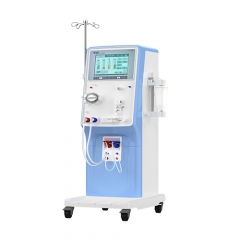
A dialysis machine is a medical device that performs artificial blood filtration for patients with kidney failure. It replaces the natural function of kidneys by removing toxins, excess fluids, and waste products from the bloodstream.
Key Differences
Hemodialysis requires external machinery and is typically done 3–4 times per week.
Peritoneal dialysis can be continuous or automated (via a cycler), allowing more freedom at home.
CRRT machines operate 24/7 in ICU and have advanced software to manage fluid balances in unstable patients.
A dialysis machine is a medical device that performs artificial blood filtration for patients with kidney failure. It replaces the natural function of kidneys by removing toxins, excess fluids, and waste products from the bloodstream.
Main Types of Dialysis Machines
| Type | Description | Typical Use |
|---|---|---|
| Hemodialysis (HD) | Filters blood through a dialyzer connected to a vascular access | Hospitals & clinics |
| Peritoneal Dialysis (PD) | Uses the patient’s peritoneum as a filter, with dialysate infused into the abdomen | Home-based therapy |
| Continuous Renal Replacement Therapy (CRRT) | Designed for ICU patients; runs continuously to gently filter blood | Critical care (ICU) |
| Home Hemodialysis Machines | Portable versions designed for self-use under medical supervision | Patients at home |
| Wearable Artificial Kidneys (in development) | Experimental, wearable dialysis technologies | Future outpatient use |
Key Differences
Hemodialysis requires external machinery and is typically done 3–4 times per week.
Peritoneal dialysis can be continuous or automated (via a cycler), allowing more freedom at home.
CRRT machines operate 24/7 in ICU and have advanced software to manage fluid balances in unstable patients.
Popular blog
Archives
Categories
- • China Care Medical Service
- • Customers Hospital Show
- • Xray Machine
- • ChinaCare Shop
- • Ultrasound Scanner
- • chemistry analyzer
- • Anaesthesia Machine
- • operating room
- • Centrifuge
- • cell counter Hematology cbc Analyzer
- • Covid19 Test Material
- • Automated Tablet Pill Counter Pharmacy Counting Machine
- • Haemodialysis Machine Equipment
- • product
- • info